Why Freedom Medical Alarms Matter for Seniors Living Independently
When my mother turned 78, she made it clear she was not moving into a retirement village. She loved her garden, her book club, and the way the morning sun hit her kitchen table. But I worried. Every time she mentioned feeling dizzy after standing up too fast, or when she joked about the time she tripped over the cat, my stomach tightened. The thought of her lying on the floor for hours, unable to reach the phone, was unbearable.
That is when we started looking into a medical alert system. What we found surprised me. The devices available in New Zealand had changed a lot since the simple pendant alarm I remembered from a decade ago. We discovered something called freedom medical alarms, and the name was not just marketing. It actually described what they offered: the ability to stay in your own home while knowing help is always a button press away.
What Freedom Medical Alarms Actually Do
A freedom medical alarm is more than a panic button. It is a wearable device, often a pendant or a wristband, that connects you to a network of responders. But the best modern systems go further. They include GPS tracking, so if a senior wanders or gets lost, their family can find them. They have fall detection, which automatically calls for help if a sudden impact is detected, even if the person cannot press the button. And they offer two-way calling, so the responder can speak directly through the device to assess the situation.
These features matter because real emergencies are messy. A fall in the shower, a sudden stroke while gardening, a moment of confusion caused by dehydration. In those moments, pressing a small button might not be possible. That is where fall detection and two-way calling become critical. They turn a passive device into an active safety net.
Why Families Are Choosing This Route
In New Zealand, the population of seniors is growing. Many want to age in place, and their families want to support that, but the worry never goes away. A medical alert system with family monitoring changes that dynamic. Instead of calling Mum every hour to check she is okay, you can glance at a mobile app and see her status. Some systems even let you set a daily check-in, often called an R U OK? feature. If the senior does not respond by a certain time, the system alerts you.

This is not about surveillance. It is about peace of mind. My mother now wears her pendant alarm every day. She says it feels like a seatbelt for the house. She still does everything she used to, but the edge of fear has softened. She knows that if she falls, the device will detect it. She knows that if she presses the button, a human voice will speak back to her. That is the core promise of freedom medical alarms: independence that is not reckless, but supported.
Key Features to Look For
Not all medical alert systems are created equal. When shopping for a device for a loved one, there are a few things worth paying attention to.
- Waterproof device: A pendant or wristband that can be worn in the shower is essential. Many falls happen in wet areas.
- Battery life: Look for a device that lasts days or weeks on a single charge. You do not want to be hunting for a charger in the middle of an emergency.
- GPS tracking: If the senior is still driving or walking outdoors, this feature can be a lifesaver. It allows the responder to locate them even if they cannot speak.
- Fall detection: Automatic detection means the system can call for help even if the wearer is unconscious or disoriented.
- No monthly fees: Some providers, like Familyr, offer a model where you own the device and pay nothing ongoing. This removes a barrier for seniors on fixed incomes.
These details matter because a device that is hard to use or expensive to maintain will end up in a drawer. The best medical alert system is the one that is worn every day.
The Role of Caregivers and Family
A freedom medical alarm does not replace a caregiver. But it can reduce the constant low-grade stress that many family caregivers feel. When you know your parent has a waterproof device that works in the shower, and that the system includes emergency response through a trusted provider like St John NZ, you can relax a little. You can go to work, sleep through the night, and not jump every time the phone rings.
For families dealing with dementia, the benefits are even sharper. Alzheimer's New Zealand often recommends GPS-enabled devices for people who may wander. A pendant alarm with location tracking means that if your loved one leaves the house at 2 AM, you are not searching the streets in panic. You see their location on your mobile app and can coordinate with responders.

How It Works in Practice
Let me walk through a typical scenario. An 82-year-old woman in Christchurch is gardening. She trips on a hose and falls. Her hip fractures instantly. She cannot reach her phone, which is inside the house. But her freedom medical alarm, worn as a pendant around her neck, detects the fall automatically. The device sends an alert to the monitoring centre. A trained operator speaks through the two-way calling feature: "Hello, I see you have had a fall. Can you hear me?" The woman responds weakly. The operator dispatches an ambulance and also calls her daughter, who is listed as a family contact. The daughter gets a notification on her mobile app showing the woman's location. The ambulance arrives in minutes. The woman is treated and recovers. She stays in her home.
That scenario is not theoretical. It happens every day in New Zealand. The combination of fall detection, GPS tracking, and family monitoring creates a system that is far more responsive than a simple pendant alarm.
Cost and Accessibility
One of the biggest barriers to adoption is cost. Many seniors live on a pension, and ongoing monthly fees can feel like a luxury they cannot afford. That is why the no monthly fees model is so important. When you buy the device once and own it outright, the cost disappears. There is no bill to cancel if money gets tight. No subscription to forget. Just a working device that connects to a national emergency response network.
Some organisations, like ACC, may also provide funding or subsidies for eligible seniors, especially those recovering from an injury or managing a chronic condition. It is worth asking about coverage before you buy.
The Bigger Picture: Safety and Independence
At its heart, a freedom medical alarm is about balancing safety with independence. None of us want to be wrapped in cotton wool. But none of us want to be found hours after a fall, either. The technology exists now to have both. A waterproof device with long battery life, GPS tracking, fall detection, and two-way calling can keep a senior safe without taking away their freedom.
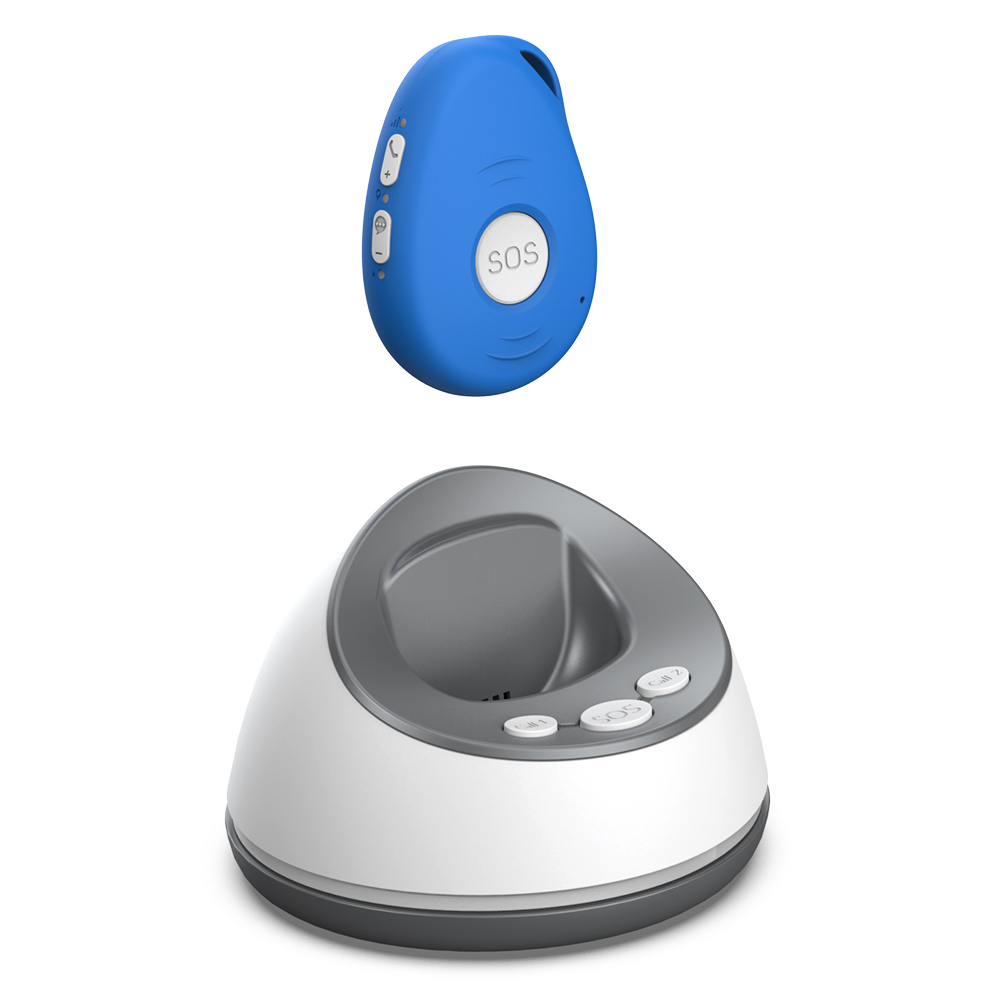
My mother still drives to her book club. She still weeds her garden. She still makes tea for her friends. The difference is, now I do not hold my breath every time she leaves the room. That is what freedom medical alarms deliver: the confidence to live your life on your own terms, with a quiet safety net underneath.
If you are helping a parent or a partner decide whether to get a medical alert system, I recommend talking to them honestly about what worries them. Is it falling? Getting lost? Not being able to call for help? Then match those fears to the features. A device with fall detection for the person who is unsteady. A pendant alarm with GPS tracking for the one who still wanders. A system with family monitoring so you can check in without hovering. The right tool makes all the difference.